
Hyper-Productivity or Hyper-Fraud? Inside the Islamic University of Najaf
Quantity Over Quality, PR Over Integrity

The Islamic University of Najaf (IUN) seems to have cracked the code for “academic success”. Produce papers at a terrifyingly high pace, get a few glossy awards, and all of a sudden, you’re on the map. Ethics? Integrity? What’s that? Who cares when the QS ranking says First Place?
A Red Flag in the Making?
The Islamic University in Najaf, Iraq, seems to have found a unique niche in the academic world: producing lots of papers, where most of which probably shouldn’t exist!
According to the RI² (Research Integrity Risk Index), the university ranks 3rd in Iraq, which is not exactly a badge of honor, because a higher RI² score signals greater risks of research misconduct.
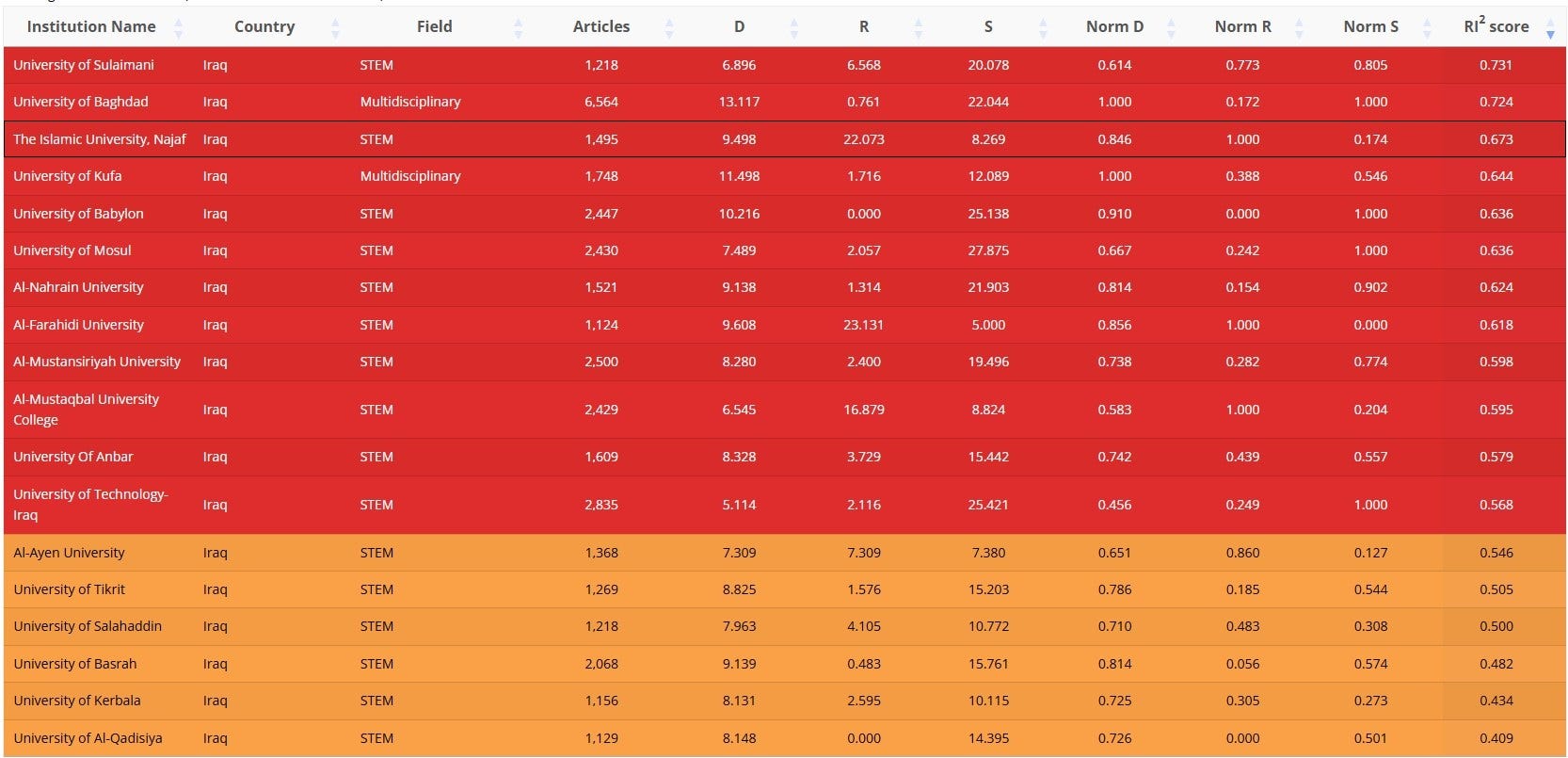
RI² measures institutions using three indicators:
D-Rate: the percentage of papers in journals delisted from Scopus or Web of Science for poor standards.
R-Rate: retractions per 1,000 publications.
S-Rate: self-citations or citations within the same institution.
For IUN, the numbers are, let’s say, interesting and the retraction rate seems to be carrying them towards the top!
Ahmed Hussein R. Alkhayyat: The Research Printing Machine
Then there’s Ahmed Hussein R. Alkhayyat, the Head of the Islamic University Centre for Scientific Research, Dean of international relationship and Manager of the world ranking in the Islamic University. His output could make you question the limits of human endurance. Scopus lists:
637 documents published
6,006 citations
h-index of 39
1,733 co-authors
Year by year, he has produced: 85 papers in 2022, 203 in 2023, 167 in 2024, and 93 so far in 2025. That’s more about 11 papers a month and almost three papers per week AVERAGE! Meanwhile, he has only 2 retractions, which makes him look almost ethical.
According to an article published on January 29, 2025 by Frederik Joelving, Cyril Labbé and Guillaume Cabanac:
Ahmed Alkhayyat wrote in an Email to a journal:
”As an incentive, I am prepared to offer a grant of $500 for each accepted paper submitted to your esteemed journal”.
and what’s the reaction of the university for his actions? Well, he gets Rewaded!!
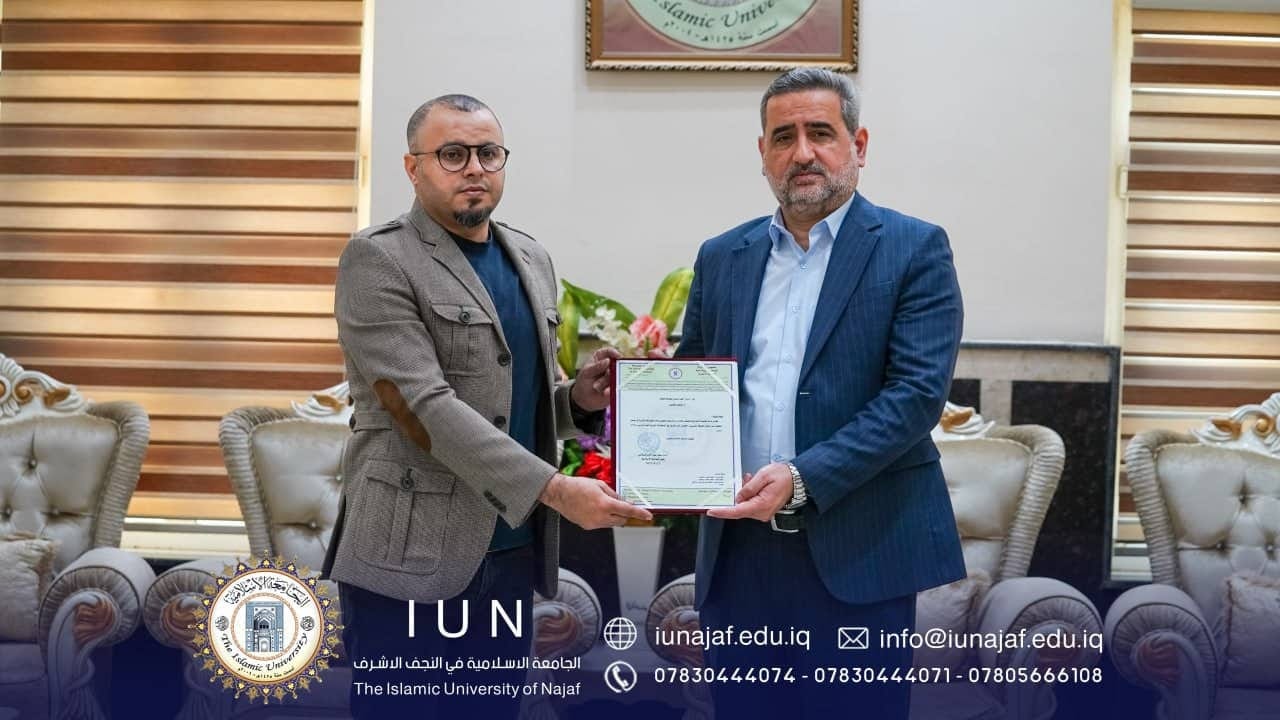
The President of the Islamic University, Dr. Ammar Abdul Amir Al-Salami, honored the Director of the Quality Assurance and University Performance Department, Dr. Ahmed Hussein Alkhayyat, praising his outstanding efforts on behalf of the Islamic University and his relentless pursuit of elevating it to compete for top positions in both local and international rankings, thereby enabling it to stand alongside the world’s leading universities.
A Hyper-Productive Army
Alkhayyat isn’t working alone. The top 15 authors in the university are hyper-productive authors with 90+ published papers.
lead the charge after Ahmed Alkhayyat, so he’s not the only problem, he’s just setting the president to the rest by being 380 papers ahead of second place!
Rankings vs. Reality
This is where RI² matters: it captures research risk, not popularity. The Islamic University scores high on the R-Rate and S-Rate, indicating both retractions and excessive self-citations. In other words, the university’s global ranking might look okay on paper, but the underlying integrity is, well, the definition of Fraud.
According to the 2023 QS ranking, the university proudly announced on their website:
“The university celebrated getting first place among Iraqi private universities in a QS ranking”
And again, Awards were being handed out left and right. why? why not?
So yes, QS rankings can look impressive in glossy photos, but they’re just a facade. They don’t measure ethical research practices. Again! They’re just a fancy PR metric to deceive the ignorant and create the illusion of excellence to impress the public sentiment.
Conclusion
All these rankings, awards, and PR stunts may make the university look impressive on paper, well a few papers… But do they actually reflect ethical research or academic integrity? And more importantly, does it reflect the morals of Islam? given that it carries Islam in its name?
Sources
https://sites.aub.edu.lb/lmeho/ri2
retractiondatabase.org/
https://www.scopus.com
https://www.scopus.com/authid/detail.uri?authorId=59268596900
https://orcid.org/0000-0002-0962-3453
https://iq.linkedin.com/in/dr-ahmed-alkhayyat-78b9ab174#:~:text=الخبرة,Islamic%20university%2CNajaf
https://theconversation.com/fake-papers-are-contaminating-the-worlds-scientific-literature-fueling-a-corrupt-industry-and-slowing-legitimate-lifesaving-medical-research-246224
https://iunajaf.edu.iq/2024/01/09/تكريم-مسؤول-قسم-ضمان-الجودة-والاداء-ال
https://iunajaf.edu.iq/2022/10/24/رئيس-الجامعة-الإسلامية-يكرم-قسم-ضمان-ا